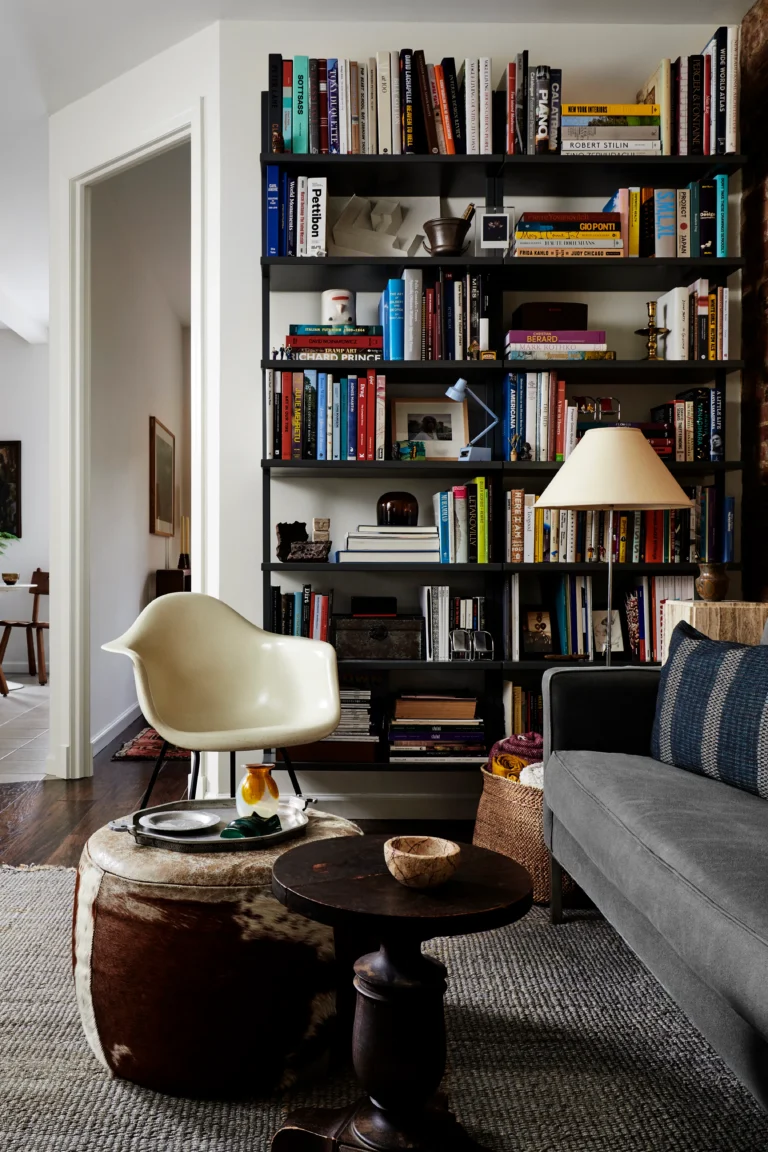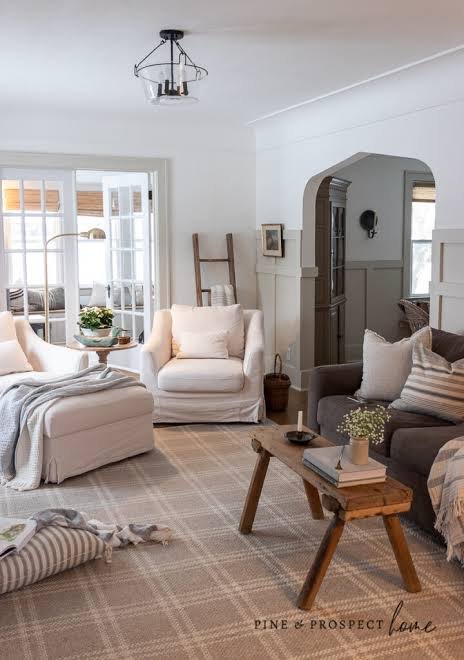
Ever walked into someone’s home and felt like it had a story to tell? That’s usually not an accident. Good vintage home decor ideas aren’t about stuffing a room with antiques — they’re about picking pieces that feel like they’ve earned their spot. I’ve redone two rooms in my own house this way, and honestly, it’s the compliments-per-rupee-spent ratio that sold me on it.
This isn’t a guide to turning your living room into a museum. It’s about blending old and new so the space feels warm, a little imperfect, and genuinely yours. Let’s get into it.
What Makes Vintage Home Decor Ideas Work in a Modern Home?
The best vintage home decor ideas balance restraint with character — one or two standout old pieces per room, paired with simple modern furniture, so the space feels curated rather than cluttered or theatrical.
Here’s the thing most people get wrong: they think “vintage” means everything old. It doesn’t. A single 1970s brass lamp on a plain modern side table does more for a room than five mismatched antiques crammed onto one shelf. Restraint is basically the whole trick.
Start With One Statement Piece, Not a Whole Room
Trying to overhaul an entire room in one go usually backfires — you end up with a set that looks staged, like a furniture showroom rather than someone’s actual home.
Instead, pick one piece to build around:
- An old wooden almirah with peeling paint (don’t refinish it completely — that patina is doing half the work)
- A brass or copper water pot repurposed as a planter
- A carved wooden door panel mounted as wall art
- A cane or rattan chair with a slightly worn seat
Pick something with a bit of visible age. New furniture “distressed” to look old rarely fools anyone, and honestly, it usually looks worse than the real thing.
Mixing Eras Without It Looking Like a Garage Sale
I’ll be honest — this is the part people struggle with most. You’ve got a grandmother’s teak dresser, an IKEA sofa, and a set of steel-framed chairs from a local carpenter, and somehow it needs to look intentional.
The trick that’s worked for me: pick one material or color to repeat across old and new pieces. If your vintage dresser is teak, echo that warm brown tone somewhere else in the room — a cane basket, a jute rug, even curtain rods. Your eye follows the repetition and reads the whole room as “put together,” even when the furniture spans three decades.
Try the 70-30 Rule
Aim for roughly 70% newer, simpler pieces and 30% genuine vintage. Go the other way and the room can start to feel heavy, almost like storage rather than living space.
Where to Actually Find Good Vintage Pieces in India
Chor Bazaar in Mumbai gets all the attention, but honestly, some of my best finds have come from smaller, less Instagram-famous places.
A few worth checking:
- Local raddiwalas — the scrap dealers who sometimes sit on genuinely old furniture
- Sunday flea markets (most tier-1 and tier-2 cities have at least one now)
- Family members who are “modernizing” and want to get rid of old furniture — ask before it hits the scrap dealer
- Old furniture restoration shops, which often have a back room of unsold or unclaimed pieces
Picture a young couple setting up their first flat in Jaipur on a tight budget. Instead of buying a full new furniture set for around ₹80,000, they picked up a used teak dining table for ₹6,000 from a relocating family, had it sanded and oiled for another ₹1,500, and paired it with basic new chairs. The table became the room’s whole personality. That’s the move.
Color Palettes That Read as Vintage, Not Dated
Skip the trap of assuming vintage means beige and brown everywhere. Muted, slightly dusty tones work better than either bright modern colors or heavy dark ones.
Colors that tend to work well:
- Sage green
- Terracotta and rust
- Faded mustard
- Dusty rose
- Warm ivory (not stark white — it fights with aged wood tones)
Vintage home decor ideas lean heavily on these earthy, slightly faded shades because they don’t compete with the natural aging in wood, brass, and fabric — they complement it.
Fabrics and Textiles Matter More Than People Think
A room can have all the right furniture and still feel flat if the textiles are wrong. Old cotton dhurries, hand-block-printed bedspreads, or a faded kantha throw add texture that new fabric just can’t fake.
If you can get your hands on old saris — your mother’s or grandmother’s — consider having them turned into cushion covers or a small wall hanging. It’s cheap, sentimental, and instantly makes a room feel less generic.
Lighting Is the Most Underrated Vintage Detail
Most people spend all their budget on furniture and completely forget lighting, which is a shame because a warm-toned bulb in an old brass fixture does more heavy lifting than another decor object ever will.
Swap harsh white LED bulbs for warm (2700K) ones in at least the living and bedroom areas. Old-style Edison bulbs with visible filaments, hung bare or in a simple metal cage, instantly read as vintage without you buying a single antique.
Small Details That Tie It All Together
Vintage home decor ideas often come down to the small stuff nobody notices consciously but everyone feels:
- Mismatched but coordinated door and window handles in brass or iron
- Glass bottles or old medicine jars repurposed as vases
- A worn leather-bound book stack used as a side table riser
- Hand-painted ceramic tiles inset into a plain shelf
None of these cost much. That’s kind of the point — you don’t need a big budget to get a timeless home decor look, just a good eye and some patience.
[link to related guide on budget home renovation ideas here]
Common Mistakes to Avoid
I’ve made a couple of these myself, so take it from someone who’s learned the hard way:
- Over-restoring pieces until they lose all their original character
- Mixing too many wood tones without any unifying color or texture
- Going full vintage in every single room (it gets exhausting, and expensive)
- Ignoring scale — a huge antique cupboard in a small flat will dominate the room instead of complementing it
[link to related guide on small space furniture ideas here]
FAQs About Vintage Home Decor Ideas
Is vintage decor expensive to achieve? Not really. Some of the best pieces come from flea markets, family hand-me-downs, or local scrap dealers, often for a fraction of new furniture prices. The expense usually comes from buying “vintage-style” new furniture instead of the real, aged thing.
How do I make vintage furniture look clean, not old and worn? A light sanding, a coat of natural oil or wax, and reupholstering fabric seats usually does the job. Avoid stripping and repainting completely — you’ll lose the character that makes it vintage in the first place.
Can I mix vintage decor with a modern minimalist home? Yes, and honestly it often looks better than an all-vintage room. One or two standout antique pieces against a clean, neutral modern backdrop tends to look more curated than either style alone.
[link to related guide on modern minimalist interiors here]
What’s the difference between vintage and antique furniture? Generally, antique means 100+ years old, while vintage covers roughly 20 to 99 years old. For decor purposes, most people use “vintage” loosely to mean anything with an older, aged aesthetic.
Do I need matching furniture for a vintage look? No — matching sets actually work against the vintage aesthetic. The charm comes from pieces that look collected over time, not bought together in one showroom trip.
Where should I start if I’m on a tight budget? Start with lighting and one statement piece, like an old cupboard or table. These two changes alone shift how a room feels more than a dozen small decor items would.
Final Thoughts
Getting vintage home decor ideas to actually work in your home isn’t about spending big or hunting down rare antiques. It’s one good piece, a repeated color or material, warmer lighting, and the patience to let a room build its character over time rather than all at once.
Start small. Pick one corner of your home — maybe just a reading nook or an entryway table — and try one idea from this list this month. See how it feels before you commit to redoing an entire room. Chances are, that one small change will tell you exactly which direction to take the rest of your home.