Water pooling around your feet in the shower is never a good sign. You jiggle the plug, you wait, and… nothing. If you’re googling how to unclog a drain right now, chances are you’ve already tried running hot water and hoping for a miracle. It usually doesn’t work that way.
Here’s the good news — most household clogs aren’t complicated. They’re hair, soap scum, grease, or the occasional stray bottle cap your kid dropped in. You genuinely don’t need a plumber for 80-90% of these. You need the right technique, ten minutes, and maybe a trip to the kitchen cabinet.
Let’s get into it.
Why Drains Get Clogged in the First Place
Before you fix it, it helps to know what you’re dealing with. Bathroom drains clog mostly from hair and soap residue clumping together. Kitchen sinks clog from grease, food particles, and coffee grounds (please stop pouring these down the sink, by the way).
Older homes — especially ones with cast iron or narrow PVC piping — tend to clog faster because of mineral buildup over the years. I’ve noticed that flats built before the early 2000s in a lot of Indian cities still have those older pipe widths, and they just don’t drain the way newer construction does.
How to Unclog a Drain With Boiling Water
Direct answer: Boil a full kettle of water, let it sit off heat for 30 seconds (so it doesn’t crack PVC pipes), then pour it down the drain in two or three stages, waiting 10-15 seconds between pours. This works best on grease-based clogs.
This is genuinely the first thing to try, every single time, before anything else on this list. It costs nothing and takes five minutes.
A few notes on doing it right:
- Don’t pour boiling water straight from the stove into PVC pipes — let it cool slightly first, or you risk warping the plastic
- Pour slowly, not all at once
- Repeat 2-3 times if the water is still draining slowly
This trick works great on kitchen sinks with grease buildup. It’s less effective on hair clogs in bathroom drains — for those, skip to the next section.
Baking Soda and Vinegar — Does It Actually Work?
I’ll be honest, this one’s a bit overhyped online, but it’s not useless either. It works best as a maintenance step, not a cure for a fully blocked drain.
Here’s the method:
- Pour half a cup of baking soda down the drain
- Follow with half a cup of white vinegar
- Cover the drain (a wet cloth works fine) and let the fizzing reaction sit for 15-20 minutes
- Flush with hot water
The fizzing helps break down light gunk and soap film, but it won’t cut through a solid hair clump. Think of it as a monthly preventive habit rather than an emergency fix. Do this once a month and you’ll probably call a plumber a lot less often.
Using a Plunger the Right Way
Most people use a plunger wrong. They just pump it a couple of times and give up. There’s actually a technique here.
Direct answer: Fill the sink or tub with a couple of inches of water first, so the plunger creates suction against a sealed surface, not air. Place it fully over the drain, push down slowly, then pull up sharply. Repeat 8-10 times before checking results.
A few things that make a real difference:
- Use a cup plunger for sinks, not the flange-style one meant for toilets
- Block any overflow hole (that little gap near the top of the sink) with tape or a wet rag — otherwise you lose suction
- Petroleum jelly around the plunger’s rim improves the seal significantly
Has this ever happened to you — you plunge for two minutes, nothing moves, and you’re about to give up? Try adding more water before your next attempt. Low water level is the number one reason plunging fails.
The Wire Hanger or Drain Snake Trick
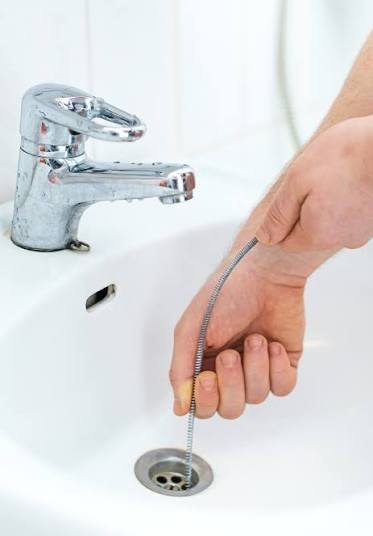
For hair clogs specifically, this is honestly your best bet. Straighten a wire coat hanger, bend a small hook at one end, and fish it down the drain. Twist as you go — you’re trying to snag the hair clump, not push it deeper.
It’s gross, I won’t pretend otherwise. But it works better than most chemical cleaners for bathroom drains, and it costs you nothing beyond a hanger you already own.
If you want something less improvised, a plastic drain snake (sold at most hardware stores for around ₹150-300) does the same job with less mess. Picture a small business owner in Jaipur running a salon out of a rented shop — this ₹200 tool has probably saved them thousands in plumber call-outs over the years, especially with the volume of hair going down those drains daily.
Should You Use Chemical Drain Cleaners?
Direct answer: Chemical drain cleaners work, but use them sparingly. They’re harsh on older pipes, harmful if mishandled, and shouldn’t be your first option. Save them for stubborn clogs that survive boiling water, plunging, and manual removal.
If you do go this route:
- Always ventilate the room
- Never mix different brands or types of cleaner together — this can create dangerous fumes
- Don’t use them right after a plunging attempt, since standing chemical water can splash back
[link to related guide about eco-friendly home cleaning products here]
Preventing Clogs Before They Start
Prevention genuinely beats cure here, and it’s less effort than it sounds.
- Use a drain guard or mesh strainer in the shower and kitchen sink — this alone stops most hair and food particle clogs
- Never pour cooking oil or ghee down the sink; let it cool and bin it instead
- Run hot water down the kitchen drain once a week
- Clean your drain guard weekly, not “whenever I remember”
Small habit, big payoff. I switched to a mesh strainer in my own kitchen sink about two years back and genuinely haven’t had a serious clog since — that’s the kind of low-effort fix that actually holds up.
When to Actually Call a Plumber
Not every clog is a DIY job, and there’s no shame in knowing your limits. If multiple drains in the house are backing up at once, that usually points to a main sewer line issue — not something a plunger fixes. Same goes for gurgling sounds from other drains when you flush the toilet, or water backing up from unexpected places like the shower when you run the washing machine.
[link to related guide on choosing a reliable local plumber here]
If you’ve tried boiling water, plunging, and a drain snake and the clog’s still there after two attempts, it’s probably time to call in a professional rather than reaching for stronger and stronger chemicals.
FAQ: Common Questions About Unclogging Drains
Q: How do I unclog a drain that’s completely blocked, not just slow? Start with the plunger method using extra water, then move to a drain snake or wire hanger for physical removal. Boiling water alone usually won’t cut through a full blockage.
Q: Is it safe to use baking soda and vinegar every week? Yes, it’s actually a good weekly habit for prevention. Just don’t rely on it as your only fix once a clog has already formed.
Q: Why does my sink drain slow, then stop completely a day later? That’s usually a partial clog getting worse as more debris sticks to it. Best to act on slow drainage immediately rather than waiting for it to fully block.
Q: Can I use Coca-Cola to unclog a drain? I’ve seen this online. It’s mostly a myth exaggerated by the internet. The carbonic acid is way too mild to break down real clogs — you’re better off with vinegar and baking soda.
Q: How often should I clean my drains to avoid clogs? A weekly hot water flush plus a monthly baking soda treatment is a solid routine for most households.
Q: Are chemical drain cleaners bad for my pipes long-term? Frequent use can corrode older or plastic piping over time. Use them occasionally, not as a monthly habit.
Conclusion
Most clogged drains really don’t need a plumber’s visit — just some hot water, a plunger used properly, or a wire hanger and a bit of patience. Keep a mesh strainer in your drains and you’ll probably avoid most of this altogether. Next time water starts pooling around your ankles, try one of these methods before you pick up the phone. Save the plumber’s number for the genuinely tricky stuff — main line blockages, multiple drains backing up together, that sort of thing. For everything else, you’ve got this.