Your water bill came in ₹1,200 higher than last month and nothing in the house looks different. No puddles, no damp patches, nothing obviously wrong. Sound familiar?
This is exactly how most people discover the signs of a hidden water leak — not by seeing water, but by everything else around them slowly going wrong. Walls, floors, ceilings, even your electricity bill can start telling you something’s off long before you spot an actual drip.
The tricky part is that hidden leaks, by definition, hide. They’re behind walls, under slabs, inside ceiling cavities. By the time you notice, you could be looking at months of slow damage. Let’s go through what to actually watch for.
An Unexplained Spike in Your Water Bill
Direct answer: If your water bill rises 20% or more without a change in your usage habits, that’s one of the clearest signs of a hidden water leak. A running toilet or a slow pipe leak can waste over 900 litres a week without anyone noticing.
This is usually the first clue people get, and honestly, it’s the most reliable one. Water bills don’t lie the way our memory does.
Here’s a simple check: turn off every tap and appliance in the house, then look at your water meter. Wait 30 minutes without using any water at all. If the meter’s still moving, you’ve got a leak somewhere in the system.
I’ve noticed a lot of people assume a higher bill just means “we used more water this month” and move on. Don’t do that. Compare it against the same month last year, not just last month — seasonal usage varies, but a genuine leak shows up as a pattern, not a one-off.
Damp Patches, Discoloration, or Peeling Paint on Walls
Yellowish-brown stains on a wall or ceiling are one of the more obvious signs of a hidden water leak, but people write them off as “monsoon dampness” way too often.
A few things to look for specifically:
- Paint bubbling or peeling in a spot that isn’t near a window or exterior wall
- A patch that keeps reappearing even after repainting
- Discoloration that’s slightly warm or soft to the touch (this usually means active moisture, not old damage)
Picture a family in a second-floor flat in Pune noticing a faint yellow ring on their bedroom ceiling every monsoon. They repainted it three years running, assuming it was just seepage from the terrace above. Turned out a pipe joint behind that wall had been leaking slowly the entire time — the monsoon just made it more visible, it wasn’t the actual cause.
Musty Smells That Won’t Go Away
If a room smells faintly damp or musty even when it’s clean and dry, that’s worth investigating. Mold and mildew love hidden moisture, and they show up as smell way before they show up as visible growth.
This is especially common in:
- Under-sink cabinets in kitchens and bathrooms
- Areas near washing machine connections
- Basements or ground-floor rooms in older buildings
If you catch this early, it’s a lot cheaper to fix. Mold remediation after months of unnoticed leaking can run into tens of thousands of rupees, versus a few hundred for a pipe repair caught early.
Sound of Running Water With Everything Off
This one’s almost eerie when you first notice it. Has this ever happened to you — you’re lying in bed at night and hear a faint hissing or trickling sound, but every tap in the house is off?
That’s often water moving through a pipe that shouldn’t have water moving through it at all. It’s one of the more unsettling signs of a hidden water leak, mostly because it’s so easy to convince yourself you imagined it.
Walk around the house at night when it’s quiet — check near the water heater, under sinks, and along any exposed pipe runs. If you consistently hear it in one spot, that’s your starting point.
Cracks in Walls or Flooring
Water that seeps into concrete or soil beneath a foundation can cause slow structural shifting over time. Small cracks appearing in walls, especially near the floor, or tiles that feel slightly uneven underfoot, can point to water damage happening below the surface.
This isn’t something to panic over immediately — buildings settle naturally too. But if cracks appear suddenly, or widen over a few weeks, get it checked rather than assuming it’s normal wear.
[link to related guide on foundation repair basics here]
Mold or Mildew Growth in Unexpected Places
Visible mold — usually black, green, or grey spots — on walls, grout lines, or wooden furniture is a late-stage sign, meaning the leak’s probably been active for a while already.
Bathroom mold near the shower is normal and expected. Mold appearing on a bedroom wall, inside a wardrobe, or on furniture legs is not normal, and it’s one of the signs of a hidden water leak people dismiss the longest because it doesn’t scream “plumbing problem” the way a puddle does.
Warped or Buckling Flooring
Wooden or laminate flooring that starts to warp, buckle, or feel spongy underfoot is a strong indicator of moisture underneath. Tiles that sound hollow when tapped, or that have started lifting slightly at the edges, tell a similar story.
This tends to happen slowly enough that people adjust without noticing — you just get used to that one floorboard that creaks differently now. Worth paying attention to rather than ignoring.
Higher Humidity or Foggy Windows Indoors
If your windows fog up more than they used to, or a room just feels noticeably more humid than the rest of the house, hidden moisture could be the reason. This is subtler than the other signs and easy to blame on weather, but a consistent humidity difference between rooms is worth checking out.
[link to related guide on choosing a reliable local plumber here]
FAQ: Common Questions About Hidden Water Leaks
Q: How can I tell if I have a hidden water leak without cutting into walls? Start with a water meter test — turn everything off and watch if the meter still moves. Combine that with checking your last few water bills and doing a walk-through for damp smells or discoloration.
Q: Can a hidden leak cause health problems? Yes, mainly through mold growth. Prolonged exposure to damp, moldy environments can trigger allergies and respiratory irritation, especially in kids and older family members.
Q: How much water can a small hidden leak waste in a month? Even a slow, barely-visible leak can waste several thousand litres a month. A running toilet alone can waste over 200 litres a day if left unchecked.
Q: Is it normal to have some dampness on walls during monsoon? Some surface dampness on exterior walls is common, yes. But dampness on interior walls, or patches that don’t dry out once the season passes, usually points to something more than just seasonal humidity.
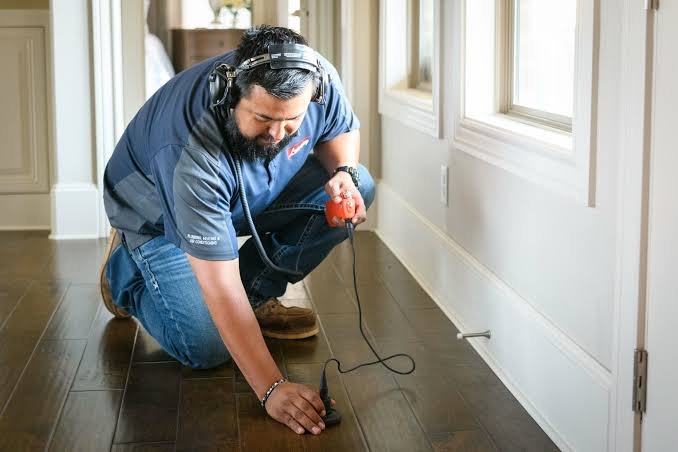
Q: Should I call a plumber or a leak detection specialist? For a leak you can locate yourself, a regular plumber works fine. For leaks hidden inside walls or under flooring, a specialist with acoustic or thermal leak detection equipment will save you a lot of unnecessary wall-breaking.
Q: How often should I check for hidden leaks? A quick water meter check every couple of months is a reasonable habit, along with a general walk-through after every monsoon season when moisture-related issues tend to surface.
Conclusion
Hidden leaks rarely announce themselves loudly — it’s usually a string of small, easy-to-dismiss clues that add up over weeks or months. An odd smell here, a slightly higher bill there, a ceiling stain you keep repainting over instead of investigating. Catching the signs of a hidden water leak early is genuinely one of the cheapest home maintenance habits you can build, since the cost of ignoring it only grows. Next time something feels slightly off — a smell, a sound, a bill that doesn’t add up — trust that instinct and take fifteen minutes to check it out. It’s a lot cheaper than the alternative.