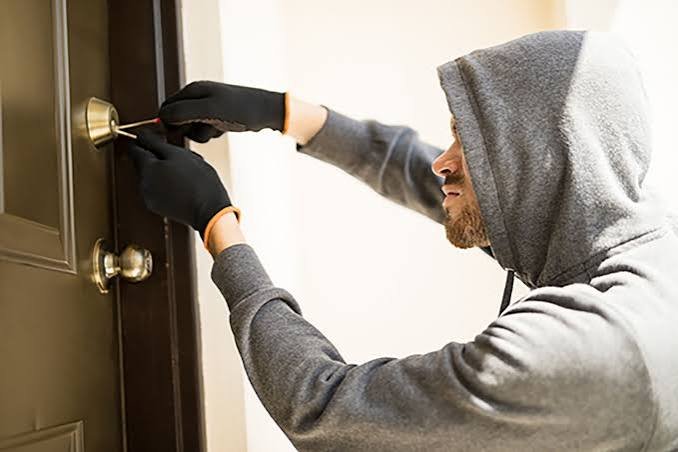
A friend of mine got robbed last monsoon. Nothing dramatic — no broken windows, no drama. Someone just walked in through a back door that never got locked because “who’s going to bother with the back gate?” That’s usually how it happens. Not a movie-style break-in, just an open door and bad timing.
Home security isn’t complicated, but it does need to be deliberate. Between better door hardware, smarter habits, and picking from the best smart locks 2026 has to offer, most break-ins are genuinely preventable. This isn’t about turning your home into a fortress. It’s about removing the easy opportunities that burglars actually look for.
Why Most Break-Ins Are Crimes of Opportunity
Here’s the direct answer: most burglars aren’t professionals casing a target for weeks. They’re opportunists looking for an unlocked door, an empty-looking house, or a window left open. Remove the opportunity, and most would-be intruders simply move on to an easier target.
Burglars generally spend very little time deciding whether to enter a house. If it looks occupied, locked up properly, and mildly inconvenient to access, they’ll skip it. I’ve noticed people overspend on cameras while ignoring the basics — a solid lock and a habit of actually using it beats a fancy camera system nobody checks.
Doors remain the most common entry point, followed by ground-floor windows. That alone tells you where to focus first.
Start With the Front Door (It Matters More Than You Think)
Your front door is doing more work than any other part of your home security setup. A weak lock here undoes everything else you might do.
A few things worth checking today, not next month:
- Is your main door lock a single-point latch, or something with real resistance?
- Does the door frame itself feel solid, or does it flex when you push it?
- Have you changed the locks since moving in? Previous tenants and their spare keys are an underrated risk.
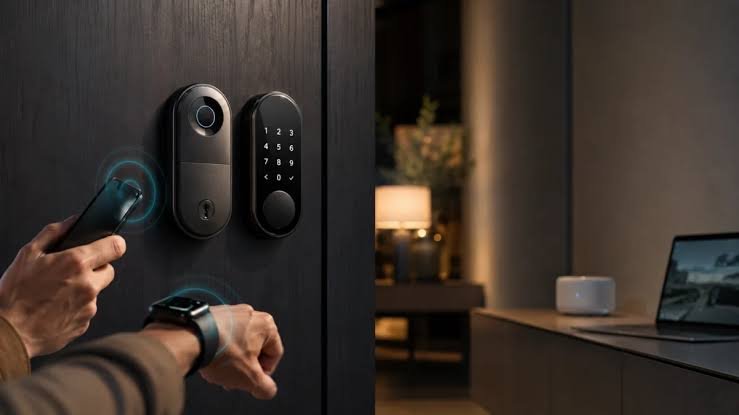
This is exactly where upgrading matters. Among the best smart locks 2026 offers, most combine fingerprint access with a PIN backup and a tamper alarm — three layers instead of one mechanical latch that a determined person can pick or force. It’s not about paranoia. It’s about not being the easiest house on the street.
Don’t Ignore Windows and Secondary Doors
Quick answer: windows and back or side doors account for a large share of break-ins because homeowners focus almost all their attention on the front door. Secure every entry point, not just the obvious one, including ground-floor windows and service doors.
Picture a small business owner in Jaipur who locks the shutter every night but leaves the back storeroom door on a simple latch because “nobody comes from that side.” That’s the exact gap burglars look for — the point nobody’s thinking about.
Practical fixes here don’t need to be expensive:
- Add secondary latches or keyed locks on ground-floor windows
- Trim any bushes or landscaping that hide a side door from view
- Fit a simple bar or block on sliding doors so they can’t be forced open
- Consider grilles for windows facing isolated areas, even if it’s not your main door
Lighting Changes More Than People Expect
Motion-activated lighting outside your home does something cameras alone can’t — it works before anyone even tries to break in. A sudden light is enough to make most people reconsider.
Dark corners near entry points are basically an invitation. If your porch or side gate sits in shadow after sunset, that’s worth fixing before anything else on this list.
Make Your Home Look Occupied, Even When It’s Not
An empty-looking house is easier to target than one that seems lived in. This matters more during long trips — weddings, vacations, that annual visit to your hometown.
A few low-effort habits help:
- Ask a neighbor to collect your mail or move a parked scooter occasionally
- Use a timer plug for a light or two instead of leaving everything dark
- Don’t announce travel dates on social media before you’ve actually left
- Keep curtains in a normal, lived-in position — fully drawn for two weeks looks exactly like what it is
Where Smart Locks Actually Fit Into Your Security Plan
Smart locks aren’t a replacement for good habits, but they do remove one of the weakest links — the physical key. Among the best smart locks 2026 options, look for ones offering at least two access methods, a metal body suited to Indian humidity, and a tamper alert that triggers on forced entry attempts.
The real advantage isn’t the fingerprint sensor, honestly. It’s the access log — knowing exactly when your door was opened, and by whom, without relying on memory or guesswork. That matters more than people expect until they actually have it.
[link to related guide comparing the best smart locks 2026 by brand and price here]
Cameras and Video Doorbells: Worth It, But Not a Silver Bullet
A visible camera or doorbell camera does deter some burglars simply because most don’t want to be recorded. But a camera that nobody checks in real time is really just evidence after the fact, not prevention.
If you’re adding one, place it where it’s visible, not hidden — the deterrent effect matters more than catching someone after the damage is done.
[link to related guide on choosing a home security camera system here]
Simple Daily Habits That Cost Nothing
- Lock the door even for a five-minute grocery run. Especially then, actually.
- Never leave a spare key under the mat or a flowerpot — it’s the first place anyone looks.
- Keep valuables away from windows where they’re visible from outside.
- Teach kids and domestic staff not to open the door to strangers, even ones claiming to be from a utility company.
Has this ever happened to you — stepping out “for two minutes” and leaving the door unlocked? It’s a small habit, but it’s the one that gets exploited most often.
Frequently Asked Questions
What’s the single most effective way to prevent a break-in? Removing easy opportunity matters more than any single gadget. A solid, properly locked door combined with visible signs that someone’s home does more than an expensive setup used inconsistently.
Are smart locks actually more secure than traditional ones? Generally yes, mainly because they combine multiple access layers and eliminate the risk of a copied physical key. Installation quality matters just as much as the lock itself, though.
Do burglars really avoid homes with cameras? Many do, since visible surveillance increases the chance of being identified. It’s a deterrent, not a guarantee, so it works best alongside solid locks and lighting.
Is it worth getting a full alarm system for a regular apartment? For gated communities with existing security, a full system might be overkill. Standalone door sensors and a good lock often cover most of the actual risk.
What time of day do most break-ins happen? Contrary to the movie version, a large share happen during daytime hours when homes are more likely to be empty, not in the middle of the night.
Should I change my locks after moving into a new home? Yes, always. You have no way of knowing how many spare keys exist from previous residents, contractors, or agents.
Final Thoughts
Preventing a break-in isn’t about spending lakhs on security tech. It’s about closing the small, boring gaps — the back door that doesn’t lock properly, the spare key under the mat, the two weeks of drawn curtains during a trip. Layer in a couple of the best smart locks 2026 has available, add motion lighting, and build habits that don’t rely on memory.
Walk through your own home this week like a burglar would. Check every door, every window, every dark corner. You’ll probably find at least one gap you’ve been ignoring — fix that one first.