Ever stood in your yard, squinted up at your roof, and wondered if it’s got another decade in it — or if you’re one bad monsoon away from a leak? You’re not alone. How long does a roof last is one of those questions homeowners don’t think about until water starts dripping onto the dining table.
The honest answer: it depends entirely on what your roof is made of, how it was installed, and how much abuse your local weather throws at it. A cheap asphalt shingle roof in a hailstorm-prone area might tap out at 12 years. A well-installed metal roof could easily outlive the mortgage. Let’s break it down material by material, because “it depends” isn’t much use without the specifics.
Average Roof Lifespan by Material
Quick answer: Most roofs last somewhere between 15 and 50 years depending on material — asphalt shingles average 15-20 years, metal roofs 40-70 years, and concrete or clay tiles can exceed 50 years with proper maintenance.
Here’s a rough breakdown I’ve put together after years of talking to contractors and homeowners about this exact question:
- Asphalt shingles — 15 to 20 years, sometimes less in hot, sunny climates
- Metal roofing — 40 to 70 years, varies a lot by gauge and coating
- Clay or concrete tile — 50+ years, some Mediterranean-style homes have originals from the 1960s still up there
- Slate — 75 to 100+ years (yes, really)
- Wood shakes — 20 to 40 years, but only if maintained religiously
- Flat/built-up roofing (common on Indian apartment buildings) — 10 to 20 years depending on waterproofing quality
That range is huge, I know. That’s kind of the point — the material you choose sets the ceiling on how long your roof can realistically last.
Asphalt Shingles: The Budget-Friendly Middle Ground
Asphalt shingles are everywhere in Western construction, and increasingly showing up in Indian villa and bungalow projects too. They’re affordable, easy to install, and forgiving if a contractor makes a small mistake.
The catch? They don’t love heat. I’ve noticed that shingle roofs in places with intense, prolonged summer sun — think Jaipur or Ahmedabad — tend to age faster than the manufacturer’s warranty suggests. The sun literally bakes the oils out of the asphalt over time, making shingles brittle and prone to cracking.
A standard 3-tab shingle roof gets you around 15-20 years. Architectural (dimensional) shingles, which are thicker, can push past 25 years. If you’re in a hail-prone region, budget for the shorter end of that range — hail damage is the number one reason asphalt roofs get replaced early.
Metal Roofing: Built for the Long Haul
How long does a roof last when it’s metal? Considerably longer than most other options. Steel, aluminum, and copper roofing systems routinely hit 40-70 years, and copper in particular can last well over a century if it’s not physically damaged.
Metal roofs handle heavy rain brilliantly, which makes them a smart pick for coastal or high-monsoon regions. They also reflect heat rather than absorbing it, so your top floor stays noticeably cooler — a real bonus in Indian summers.
The main downside is upfront cost. You’re paying two to three times what you’d pay for asphalt. But when you divide that cost over 50-plus years instead of 18, the math often works out in metal’s favor. Picture a small business owner in Jaipur running a warehouse — the energy savings from a reflective metal roof alone can justify the investment within a decade.
Clay and Concrete Tiles: Old-School and Practically Bulletproof
Tile roofs are a common sight across South India and in older colonial-era buildings. And for good reason — clay and concrete tiles routinely outlast the people who installed them.
A well-laid tile roof can go 50 years without a full replacement, sometimes longer. The tiles themselves are essentially fired clay or cement, so they don’t rot, rust, or get eaten by insects. What actually fails first is usually the underlayment beneath the tiles, not the tiles themselves.
That’s an important distinction. If your tile roof starts leaking at year 30, it doesn’t necessarily mean the whole roof needs replacing — often it just needs the waterproofing membrane redone underneath. [link to related guide on roof waterproofing here]
Slate Roofing: The Century Club
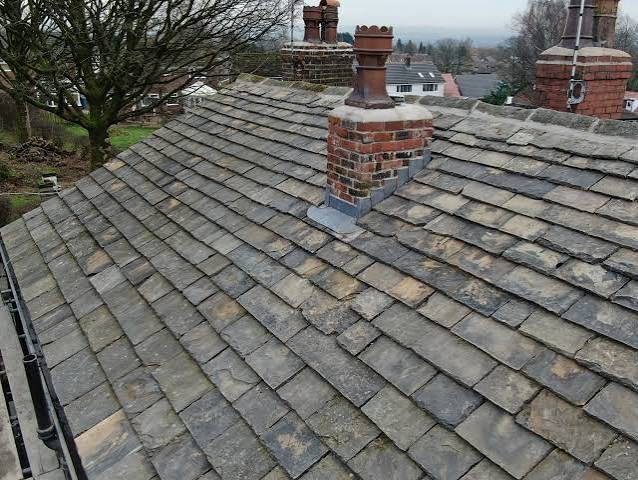
Slate is the outlier on this list. Properly installed slate roofs have been known to last 100 years or more, and it’s genuinely common to see 75-year-old slate roofs still doing their job in Europe and parts of the northeastern US.
It’s heavy, though — really heavy — which means your roof structure needs to be engineered to support it from day one. Retrofitting slate onto an existing home built for lighter materials is usually a bad idea, and most contractors will tell you the same.
Cost-wise, slate sits at the premium end. Most homeowners choosing slate today are doing it for heritage restoration projects rather than new builds, simply because so few structures are designed to carry the weight.
Flat and Built-Up Roofs: Common in Urban India
If you live in an apartment or a commercial building in an Indian city, there’s a good chance you’ve got a flat roof with some form of waterproofing membrane — bitumen, APP membrane, or increasingly, spray-applied polyurethane coatings.
These typically last 10-20 years, and honestly, that’s the shortest lifespan on this list. Flat roofs pool water more than sloped ones do, and standing water is enemy number one for any waterproofing layer.
I’ll be a little opinionated here: I think flat roof maintenance gets neglected far more than it should in Indian residential buildings. A simple annual inspection before monsoon season — checking for cracks, blisters, and pooling — can add years to a flat roof’s life for almost no cost. Skip that, and you’re looking at leaks by year 8 or 9 in a lot of cases.
What Actually Shortens a Roof’s Lifespan
Quick answer: Poor installation, inadequate ventilation, extreme weather exposure, and skipped maintenance are the biggest factors that cut a roof’s lifespan short — often by a decade or more compared to the manufacturer’s stated life expectancy.
A few specific culprits worth flagging:
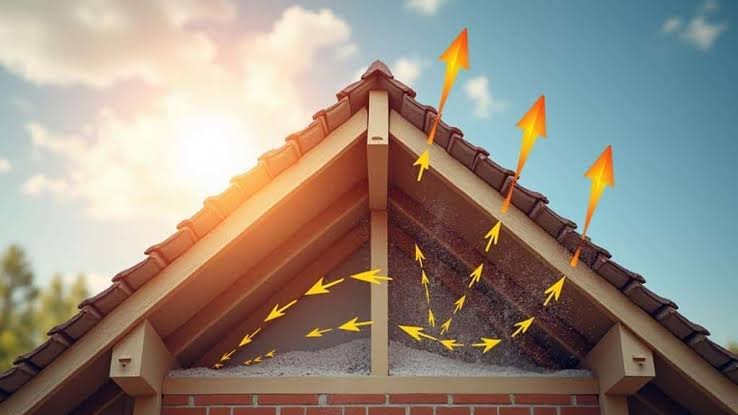
- Poor attic or under-roof ventilation, which traps heat and moisture
- Walking on the roof more than necessary during installation or repairs
- Ignoring small leaks until they become structural problems
- Using a lower-grade underlayment to save cost upfront
- Skipping gutter cleaning, which leads to water backing up under roofing materials
Has any of this sounded familiar from your own roof’s history? It usually takes just one of these to knock years off an otherwise solid roofing system.
Signs Your Roof Is Nearing the End
You don’t need to wait for an obvious leak to know a roof is failing. Some earlier warning signs include curling or missing shingles, granules collecting in your gutters, sagging spots on the roofline, and daylight visible through the attic boards.
For tile and metal roofs, watch for cracked or slipped tiles, and rust streaks or spots on metal panels. None of these mean instant collapse, but they’re your roof telling you it’s time to call someone out for a proper inspection rather than waiting another year.
How to Extend Your Roof’s Lifespan
Regular maintenance genuinely changes the math here. A roof that’s inspected annually and repaired promptly can often outlast its rated lifespan by 20-30%, while a neglected one frequently falls short.
A few habits worth building in:
- Clean gutters twice a year, more often if you’ve got overhanging trees
- Trim back branches that scrape or drop debris onto the roof
- Get a professional inspection before monsoon season, not after
- Fix small leaks immediately rather than “keeping an eye on it”
- Add or improve attic ventilation if your home runs hot in summer
[link to related guide on choosing the right roofing contractor here] can help if you’re not sure who to call for that inspection.
FAQ: Common Questions About Roof Lifespan
How long does a roof last on average in India? Most residential roofs in India — tile, asphalt, or flat concrete with waterproofing — last somewhere between 15 and 40 years, with tile generally on the higher end and untreated flat roofs on the lower end.
Does roof color affect how long a roof lasts? Yes, to a degree. Lighter colors reflect more heat and can reduce thermal stress on the material, which may add a few years, especially in hot climates.
Can I re-roof over an existing roof to save money? Sometimes, with asphalt shingles, but it’s rarely a good long-term move. It traps heat, hides underlying damage, and usually isn’t allowed for more than one layer by local building codes.
Is a 20-year roof warranty the same as a 20-year lifespan? Not exactly. Warranties often cover manufacturing defects, not weather damage or installation errors, so real-world lifespan can differ from the warranty period in either direction.
How often should I get my roof inspected? Once a year is a reasonable minimum, ideally before monsoon season, plus a check after any major storm or hailfall.
Does roof pitch affect lifespan? Yes — steeper roofs shed water and debris faster, which generally means less standing water damage and a longer life compared to low-slope or flat designs.
Final Thoughts
So, how long does a roof last? Somewhere between 15 and 100 years, depending entirely on what it’s made of and how well it’s cared for. Asphalt gives you an affordable middle ground, metal and tile go the distance, and slate is basically generational.
The real takeaway, though, is that material only sets the potential — maintenance decides whether you actually get there. If your roof is past the 15-year mark and you haven’t had it looked at recently, that’s probably worth fixing before your next monsoon season rolls around, not after the ceiling starts staining.