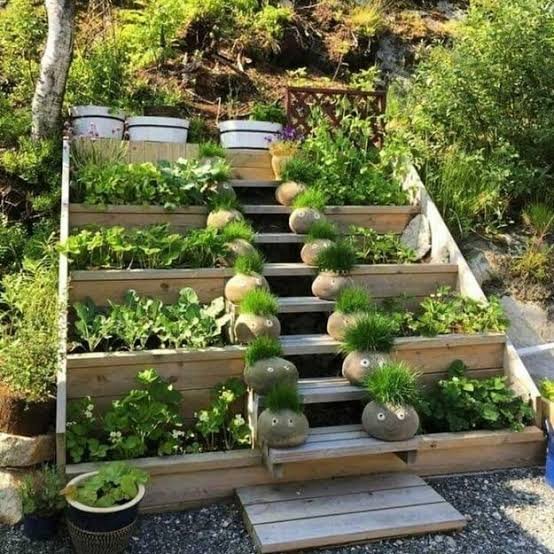
So you love the idea of a garden, but your “outdoor space” is basically a 4×6 balcony that gets sun for two hours a day. Sound familiar? You’re not alone — this is the reality for most apartment dwellers in cities like Jaipur, Mumbai, or Bengaluru, where land is expensive and balconies are an afterthought. The good news is that vertical gardening ideas exist precisely for this problem, and they work better than most people expect.
Instead of asking “where do I put my plants,” vertical gardening flips the question to “how high can I go.” Walls, railings, old ladders, hanging hooks — they all become planting real estate. And once you start thinking this way, you realize you’ve been staring at unused space for years without noticing it.
What Is Vertical Gardening, Really?
Vertical gardening simply means growing plants upward instead of outward, using structures like trellises, wall panels, stacked planters, or hanging systems. It lets you fit ten or fifteen plants into a space that would otherwise hold two or three pots on the floor.
I’ve noticed that people overcomplicate this at first. They imagine elaborate hydroponic wall systems from Pinterest and get overwhelmed. Truth is, a few sturdy hooks and some railing planters will get you 80% of the benefit for a fraction of the cost.
Why Vertical Gardening Makes Sense for Small Homes
Here’s the direct answer: Vertical gardening maximizes limited floor space, improves air circulation around plants, reduces pest problems (fewer plants sitting in stagnant corners), and lets renters garden without permanent changes to walls or floors. It’s practical, not just decorative.
Beyond the space-saving angle, there’s something else — vertically arranged plants tend to get better light exposure since they’re not shading each other the way pots on a flat surface do. That alone can mean the difference between a struggling tomato plant and one that actually fruits.
1. Railing Planters for Balconies
If you have a balcony railing, you already have free real estate. Rectangular railing planters (available on Amazon India or local nurseries for roughly ₹300–₹800) hook directly onto the rail, no drilling needed.
- Herbs like mint, coriander, and tulsi do well here
- Marigolds add color without much fuss
- Cherry tomatoes work too, though they’ll need staking
One thing to watch: railing planters on higher floors can be risky in strong wind. Use ones with a locking clip, not just a hook.
2. Wall-Mounted Pocket Planters
Fabric or felt pocket organizers, the kind meant for shoes, work surprisingly well as vertical garden panels. Hang one on an exterior wall and fill each pocket with a small plant.
Picture a small business owner in Jaipur who runs a home bakery — she has almost no outdoor space, just a narrow side wall near her kitchen door. She hung two felt pocket planters there and now grows enough mint and curry leaves for her own cooking. It cost her under ₹1,500 total, including the plants.
Pocket planters dry out fast though. Expect to water every day in summer, maybe every other day in winter.
3. Repurposed Ladder Shelving
An old wooden ladder, laid against a wall, becomes an instant multi-tier plant stand. This is one of my favorite vertical gardening ideas because it costs almost nothing if you already have a ladder gathering dust in storage.
Place trailing plants like pothos or string-of-pearls on the top rungs so they can cascade down. Lower rungs suit heavier pots that need stability.
4. Stacked Planter Towers
Stackable planters — plastic or terracotta towers with multiple tiers — are widely available now, and honestly, they’ve gotten a lot better looking in the last few years. A five-tier tower can hold strawberries, lettuce, or small chili plants and takes up barely a square foot of floor space.
I’ll admit I was skeptical of these at first. The cheap plastic ones felt flimsy. But a decent terracotta or fiber-reinforced version, priced around ₹1,200–₹2,500, holds up fine for years.
5. Trellises for Climbing Vegetables
Got even a small patch of ground or a large deep container? A trellis lets beans, peas, cucumbers, or even small gourds climb instead of sprawl. Bamboo trellises are cheap, biodegradable, and easy to find at local nurseries.
This is where vertical gardening genuinely outperforms traditional planting — a single trellis-trained cucumber vine can produce as much as three sprawling plants would, in a fraction of the ground space.
6. Hanging Baskets from Ceiling Hooks
Don’t ignore the space above your head. Ceiling hooks with hanging baskets work well for trailing plants — petunias, ferns, or even cherry tomatoes in a pinch.
- Use S-hooks rated for at least 5kg
- Water-resistant coco liners reduce mess from drips
- Rotate baskets weekly for even light exposure
7. Recycled Bottle or Pipe Gardens
For a budget option, cut plastic bottles or PVC pipes horizontally and mount them in a row on a wall bracket. It’s not the prettiest option on this list, but it’s nearly free, and it’s a genuinely good project if kids are involved.
8. Living Walls with Modular Panels
On the higher end, modular green wall panels create a dense, lush look — the kind you see in trendy cafes. These run anywhere from ₹5,000 to ₹20,000+ depending on size and irrigation setup, so this one’s for people who are serious about the look and willing to invest.
[link to related guide about balcony garden setup here]
Choosing the Right Plants for Vertical Spaces
Not every plant likes going vertical. Shallow-rooted herbs, trailing vines, and compact vegetables tend to do best. Deep-rooted plants like carrots or large root vegetables generally struggle in shallow vertical containers.
[link to related guide about low-maintenance indoor plants here]
Common Mistakes to Avoid
- Overloading a single wall bracket beyond its weight limit
- Ignoring drainage — vertical systems drip, and that water has to go somewhere
- Placing sun-loving plants on a shaded wall just because it looks convenient
- Forgetting that vertical planters dry out faster than ground pots, so watering schedules need adjusting
[link to related guide about watering schedules for container plants here]
FAQ
Is vertical gardening suitable for apartments with no balcony? Yes, to an extent. Interior walls near a bright window can hold pocket planters or small shelving units. You won’t get the same range of plants as outdoor space allows, but herbs and low-light foliage plants do fine.
How much does it cost to start a vertical garden at home? You can start small for under ₹1,000 using railing planters or a repurposed ladder. Modular living wall systems cost significantly more, often ₹5,000 and up.
Do vertical gardens need more watering than regular pots? Generally, yes. Vertical systems have less soil volume per plant and dry out faster, especially in direct sun or wind. Daily checking during summer is a good habit.
Can I grow vegetables in a vertical garden, or just decorative plants? Both. Cherry tomatoes, beans, peas, chilies, and leafy greens all grow well vertically. Bigger vegetables like pumpkins need sturdier support and more space.
What’s the easiest vertical gardening idea for a total beginner? Railing planters or a stacked planter tower. Both require minimal setup, no drilling, and forgive a bit of neglect while you’re learning.
Will vertical gardening damage my walls or balcony? Not if you use hooks, brackets, or free-standing structures rather than drilling directly into walls — especially important for renters. Always check with your landlord if you’re unsure.
Final Thoughts
Limited space doesn’t have to mean no garden. Whether it’s a single ladder shelf or a full modular wall, vertical gardening ideas give small homes a real shot at growing something green — and honestly, once you start, it’s hard to stop adding more. Pick one method from this list, try it for a season, and see what actually survives your specific balcony conditions before investing further. That’s the real test, not the Pinterest photo.