Ever sat in your garden and realized it’s completely silent? No birdsong, no bees buzzing around, nothing. Just leaves. That was me two summers ago, staring at a garden full of plants but strangely empty of life. If you’re looking to attract birds to garden spaces along with bees, butterflies, and the occasional curious squirrel, the fix usually isn’t complicated — it’s just that most gardens accidentally leave these creatures with nothing to eat, drink, or hide in.
A garden that draws wildlife isn’t just prettier. It’s healthier too, because birds eat pests, and pollinators are the reason half your vegetable plants actually produce fruit. Skip this step and you’re basically gardening with one hand tied behind your back.
Why Bother Attracting Birds and Pollinators?
Here’s the short version: gardens with birds and pollinators see better fruit and vegetable yields, fewer pest infestations, and more natural balance overall. A single sparrow can eat hundreds of insects a day, and bees alone are responsible for pollinating a huge share of the food we eat.
I used to think of birds as just a nice bonus, decoration almost. Then my neighbor’s guava tree, which had been struggling with aphids for two seasons straight, suddenly cleared up after a pair of bulbuls started nesting nearby. Coincidence? Maybe partly. But it changed how I think about garden pests.
1. Plant Native and Flowering Species
This is probably the single biggest lever you have. Native plants co-evolved with local birds and insects, so they recognize the food source instantly — non-native ornamentals often get ignored entirely.
- Marigold, hibiscus, and tulsi work well across most of India and attract bees reliably
- Sunflowers double as a bird feeder once they go to seed
- Flowering shrubs like lantana pull in butterflies almost immediately, though some regions consider it semi-invasive, so check locally first
Honestly, I’d skip most imported hybrid flowers if attracting wildlife is your main goal. They look nice but pollinators often just fly past them.
2. Add a Reliable Water Source
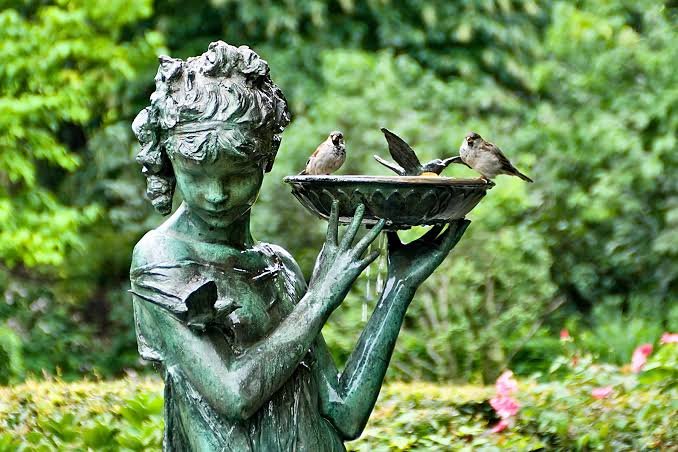
To attract birds to garden spaces effectively, water matters as much as food — sometimes more. A shallow dish, birdbath, or even an old clay pot lid filled with water gives birds a place to drink and bathe, especially critical during Indian summers when temperatures cross 40°C in many regions.
Keep the water shallow, under 5cm deep, and change it every couple of days to avoid mosquito breeding. This part’s non-negotiable — a birdbath that becomes a mosquito nursery does more harm than good.
3. Install Bird Feeders Strategically
Feeders work, but placement is everything. Put one too close to a window and you’ll deal with birds flying into glass. Too close to the ground and cats become a problem.
A few things that actually help:
- Hang feeders at least 1.5 to 2 meters off the ground
- Mix seed types — sunflower seeds, millet, and broken rice work well for Indian garden birds
- Clean feeders weekly; moldy seed makes birds sick
Has this ever happened to you — you set up a feeder, wait weeks, and nothing shows up? Give it time. Birds need to discover a new food source, and that can take two to three weeks in a new garden.
4. Grow a Pollinator-Friendly Flower Patch
A dedicated patch, even a small one, changes things fast. Bees and butterflies are drawn to clusters of color rather than single scattered flowers.
Attracting birds to garden areas works alongside this too, since insect activity draws insect-eating birds like drongos and mynas.
- Group flowers in patches of at least 3-4 plants, not single stems scattered around
- Choose a mix of bloom times so something is always flowering
- Avoid pesticides here completely — this is the one spot in your garden where they’ll do the most damage
5. Leave Some Mess (Yes, Really)
Most garden advice tells you to clean up fallen leaves and dead branches. For attracting wildlife, do the opposite, at least in one corner. A small brush pile or a patch of unmowed grass gives insects somewhere to overwinter, which in turn feeds birds year-round.
[link to related guide about low-maintenance garden design here]
6. Skip the Pesticides, or at Least Cut Back Hard
Pesticides don’t just kill the pest you’re targeting. They wipe out the bees and butterflies you’re trying to attract, plus whatever birds eat those insects. If you must treat something, go for neem oil or a targeted, localized spray rather than blanket spraying the whole garden.
[link to related guide about organic pest control here]
7. Provide Shelter and Nesting Spots
Dense shrubs, small trees, or even a simple birdhouse give birds a reason to stay rather than just visit. Nesting boxes cost as little as ₹300–₹600 and can be mounted on a wall or tree trunk facing away from direct afternoon sun.
Common Mistakes That Keep Wildlife Away
- Using chemical pesticides even occasionally, which undoes months of other efforts
- Placing feeders or baths in spots with no nearby cover, leaving birds exposed to predators
- Expecting instant results — most gardens take a full season to start seeing regular visitors
- Forgetting to keep water and feeders clean, which can spread disease among birds
[link to related guide about seasonal garden maintenance here]
FAQ
How long does it take to attract birds to a new garden? Usually a few weeks to a couple of months. Birds need to notice food and water sources exist, and that takes repeated visits before they trust a new spot enough to return regularly.
What flowers attract the most pollinators in Indian gardens? Marigold, tulsi, hibiscus, and lantana are reliable performers across most Indian climates. Sunflowers and zinnias also draw both bees and butterflies well.
Do bird feeders attract unwanted pests like rats? They can, if seed is left scattered on the ground. Use a tray feeder and clean up spilled seed regularly to keep this from becoming a problem.
Is it safe to use pesticides if I also want pollinators? Not really. Even organic-labeled pesticides can harm bees if sprayed directly on flowers. Neem oil applied in the evening, away from open blooms, is a safer middle ground.
Can a balcony or terrace garden attract birds too? Yes, especially with a small water dish and a few flowering pots. Height actually helps here since many birds prefer feeding above ground level, away from cats.
Will attracting birds also attract squirrels and other animals? Often, yes. Most people find this a welcome side effect, though if squirrels start raiding vegetable beds, a physical barrier around those specific plants usually solves it without affecting the birds.
Final Thoughts
A garden that draws birds, bees, and butterflies isn’t built overnight, but the fixes are genuinely simple — water, native flowers, a bit of shelter, and laying off the pesticides. Once you start to attract birds to garden spaces regularly, you’ll notice the difference within a season, both in the birdsong and in how much healthier your plants look. Start with just the birdbath this week and see what shows up.