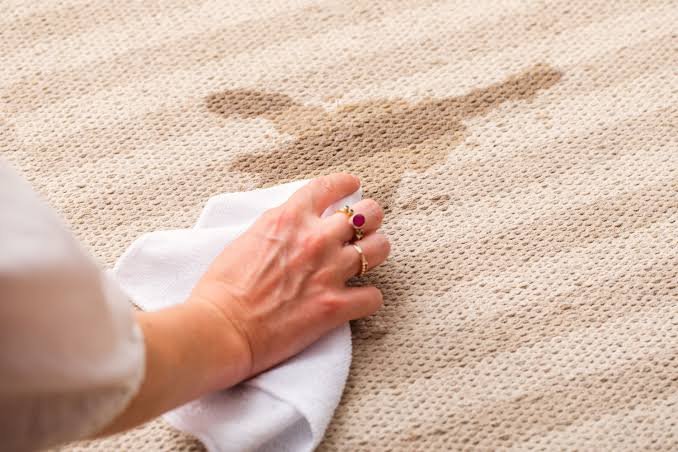
You just hosted a dinner party. Someone knocked over a glass of red wine on your cream-colored carpet, and now there’s a dark blotch sitting right in the middle of your living room. If you’ve ever wondered how to remove carpet stains without calling a professional cleaner every single time, you’re in the right place.
Here’s the thing — most stains aren’t actually permanent. They just feel that way in the panicked five minutes right after they happen. With the right approach (and a little patience), you can handle almost anything at home. I’ve ruined exactly one rug trying to rush a stain, and I’ve saved a dozen more by slowing down. Let’s get into it.
Why Acting Fast Matters More Than the Product You Use
Direct answer: The single biggest factor in removing carpet stains is speed, not the cleaning product. A stain treated within 5-10 minutes lifts far more easily than one left to dry, because the liquid hasn’t had time to bond with carpet fibers.
I know it’s tempting to grab your phone and search for “best carpet stain remover in India” the moment something spills. Don’t. Grab a cloth first. Every minute you spend scrolling is a minute the stain sinks deeper into the fibers.
Blot — don’t rub. Rubbing pushes the stain further into the pile and can fray the fibers, especially on wool or silk blends. Use a clean white cloth (colored cloths can transfer dye) and press down firmly, working from the outside of the stain inward.
How to Remove Carpet Stains From Wine and Juice
Red wine is the stain everyone panics about, and honestly, it’s one of the easier ones once you know the trick.
Here’s what’s worked for me more times than I can count:
- Blot up as much liquid as possible with a dry cloth.
- Mix 1 tablespoon of dish soap with 2 cups of warm water.
- Apply a small amount with a cloth, blot, and repeat.
- For stubborn spots, sprinkle a little salt or baking soda while the stain is still damp — it draws the wine out as it dries.
- Vacuum once dry.
Fruit juice and turmeric stains (a very real problem in most Indian kitchens) respond well to the same soap-and-water method, though turmeric can be stubborn. A paste of baking soda and water left on for 15-20 minutes usually does the trick before you resort to anything stronger.
Removing Coffee and Tea Stains From Carpets and Upholstery
Direct answer: For coffee and tea stains, blot excess liquid immediately, then apply a mix of white vinegar, water, and a drop of dish soap. Let it sit for 5 minutes before blotting dry — the acidity in vinegar breaks down the tannins that cause discoloration.
Coffee stains oxidize as they dry, which is why that light brown spill sometimes turns into a darker, almost rust-colored mark overnight. This is one reason I keep a small spray bottle of diluted vinegar solution under my sink at all times — it’s genuinely the fastest fix for both coffee and tea.
If the stain has already set, don’t give up. Old coffee stains just need a longer soak time and maybe two or three rounds of treatment instead of one.
Tackling Pet Stains and Odors on Carpets
Pet owners, this section is for you. Urine, vomit, and other “accidents” are a different category entirely because you’re not just fighting a stain — you’re fighting an odor that regular soap won’t touch.
An enzyme-based cleaner is non-negotiable here. Regular detergent might lift the visible mark, but it won’t break down the uric acid crystals that keep smelling long after the stain looks gone. Has your dog ever gone back to the same spot again and again? That’s usually why — they can still smell it even when you can’t.
- Blot up fresh liquid immediately (don’t let it soak deeper)
- Apply an enzyme cleaner and let it sit per the label instructions, usually 10-15 minutes
- Avoid steam cleaning pet stains before the enzyme treatment — heat can set the protein and make it permanent
- Repeat if the odor lingers after 24 hours
How to Get Blood Stains Out of Carpet
Blood is a protein-based stain, and that changes everything about how you treat it. Hot water actually cooks the protein into the fibers — the opposite of what you want.
Always use cold water for blood. Mix cold water with a small amount of dish soap, dab it onto the stain, and blot repeatedly. Hydrogen peroxide works too, but test it on a hidden patch of carpet first since it can lighten some dyes.
Ink, Grease, and Oil Stains: The Trickiest Category
Picture a small business owner in Jaipur running a boutique with a carpeted showroom — a customer’s pen leaks, or a food delivery bag drips oil near the entrance. These stains scare people more than they should.
Direct answer: For ink stains, dab (never rub) with rubbing alcohol on a cotton ball, working from the edges inward. For grease and oil, sprinkle cornstarch or baking soda first to absorb the oil, wait 15 minutes, vacuum, then treat with dish soap and water.
A few things I’ve learned the hard way with this category:
- Rubbing alcohol works on ballpoint ink but can bleed the ink further if you scrub instead of dab
- Grease stains almost always need the absorb-first approach — jumping straight to soap and water just spreads the oil around
- Nail polish stains respond to acetone-based remover, but only on synthetic carpets — it can melt certain fibers, so patch-test always
Homemade vs. Store-Bought Carpet Stain Removers
I’ll be honest — I don’t think you always need a fancy branded product. For most everyday spills, a mix of dish soap, water, and white vinegar handles 80% of what lands on your carpet. That said, for pet stains and old, set-in marks, an enzyme cleaner or a proper commercial spot remover genuinely does perform better. It’s not just marketing.
Some readers disagree with me on this, and that’s fair — if you’ve got young kids or pets and spills happen weekly, keeping a dedicated commercial cleaner on hand probably saves you time in the long run. [link to related guide on best carpet cleaning products in India here]
Deep Cleaning: When DIY Isn’t Enough
Sometimes a stain has been there for months, or it covers a large area, and spot treatment just won’t cut it anymore.
This is where steam cleaning or shampooing the whole carpet comes in. You can rent a machine for a few hundred rupees a day in most Indian cities, or hire a professional service — expect to pay anywhere from ₹3 to ₹8 per square foot depending on your city and the carpet type in 2026.
A few signs you need deep cleaning rather than spot treatment:
- Multiple old stains scattered across the carpet
- A general dullness or graying, even without visible spots
- A musty smell that spot cleaning hasn’t fixed
- It’s been more than a year since the last full clean
[link to related guide on choosing between steam cleaning and dry carpet cleaning here]
Preventing Future Stains on Carpets and Upholstery
Direct answer: The most effective way to prevent carpet stains is applying a fabric protector spray after cleaning, using doormats at every entrance, and treating spills within the first few minutes rather than waiting.
Fabric protectors like Scotchgard create a barrier that gives you extra time before liquid soaks in — it won’t make your carpet stain-proof, but it buys you crucial minutes. Combine that with a “no shoes indoors” habit and a stain kit kept in an accessible spot, and you’ll cut your carpet emergencies down dramatically.
Frequently Asked Questions
Does baking soda actually remove carpet stains? Yes, especially for odors and fresh spills. It works by absorbing moisture and neutralizing smells, though for set-in or colored stains it works best paired with vinegar or dish soap rather than alone.
Can I use bleach on carpet stains? Generally, no — bleach discolors most carpet fibers, especially wool and any dyed synthetic. Stick to oxygen-based cleaners or diluted vinegar instead unless your carpet is specifically labeled bleach-safe.
How do I remove old, dried carpet stains? Rewet the area slightly with warm water first, then apply your chosen cleaning solution and let it sit longer than you would for a fresh stain — sometimes 20-30 minutes. It may take two or three rounds.
Is vinegar safe for all carpet types? Mostly, yes, when diluted with water. But wool carpets can be more sensitive, so always test a hidden corner first before treating a visible area.
Why does my carpet stain keep coming back after cleaning? This usually happens with pet stains or spills that weren’t fully extracted — some residue is still sitting deep in the padding underneath, and it wicks back up to the surface as the carpet dries.
Should I hire a professional or DIY it? For fresh, small stains, DIY almost always works fine. For large areas, old stains, or anything involving pet accidents on padding, a professional deep clean tends to give better long-term results.
Final Thoughts
Stains happen — that’s just life with carpets and upholstery. What matters is knowing which method fits which stain, and not panicking the moment something spills. Keep a small kit ready (dish soap, white vinegar, baking soda, and a couple of clean cloths), act quickly, and you’ll handle most situations without breaking a sweat.
If your carpet’s been through a lot over the years and spot treatment isn’t cutting it anymore, it might just be time for a proper deep clean. Either way, don’t let one wine glass ruin your evening — or your carpet.