Ever lit a fire on a cold evening and had smoke roll back into the room instead of going up the flue? That’s usually the first sign something’s off. A solid chimney maintenance checklist isn’t about being paranoid — it’s about catching small problems before they turn into a cracked flue liner or, worse, a house fire. I’ve walked through more than a few homes where the owner hadn’t touched their chimney in years, and the repair bill always ends up bigger than the maintenance would’ve cost. Let’s fix that.
Why a Chimney Maintenance Checklist Actually Matters
A chimney maintenance checklist helps you catch creosote buildup, cracks, and blockages before they cause smoke damage or fire hazards. Most chimney fires are preventable with a yearly inspection and basic upkeep — it really is that simple.
Chimneys don’t announce their problems loudly. A hairline crack in the flue liner won’t make noise. Creosote — that tarry, flammable buildup from burning wood — accumulates quietly, layer by layer, season after season. By the time you smell something odd or notice smoke pooling near the hearth, you’re often already behind.
I’ll be honest: most people ignore their chimney until something goes visibly wrong. That’s backwards. Think of it the way you’d think of servicing a car — you don’t wait for the engine to seize.
Schedule an Annual Professional Inspection
This is the single most important item on any checklist, full stop. The National Fire Protection Association recommends at least one inspection a year, regardless of how often you actually use the fireplace.
A certified sweep will check for:
- Creosote buildup (Level 1, 2, or 3 — Level 3 is the dangerous, glazed kind)
- Cracks in the flue lining or masonry
- Bird nests or animal blockages
- Water damage or rust on the damper
- Structural issues in the chimney crown
In India, dedicated chimney sweep services are still rare outside big cities, so many homeowners end up calling a general mason or HVAC technician instead. That’s workable, but ask specifically about creosote inspection — not everyone thinks to check it unless you bring it up.
Clean Out Creosote Before It Builds Up
Chimney maintenance really comes down to managing creosote. It’s the byproduct of incomplete combustion, and it sticks to the inner walls of your flue like tar.
Here’s the thing — even “clean burning” hardwood produces some creosote. There’s no way around it entirely, only ways to slow it down:
- Burn only seasoned wood (dried at least 6-12 months, moisture content under 20%)
- Keep fires hot and well-ventilated rather than smoldering low and slow
- Avoid burning wet, green, or treated wood — ever
- Get creosote removed once it reaches roughly 1/8 inch thickness
Picture a small business owner in Jaipur running a boutique café with an open fireplace for ambience in winter. If that fireplace only burns a few nights a season, it’s tempting to think maintenance can wait. But infrequent use actually makes things worse in some ways — slow-burning fires used occasionally produce more creosote per hour than a well-tended daily fire would.
Check the Damper Before Every Fire Season
A damper that won’t open or close fully is more common than people realize, especially in older homes.
Test it manually before the first cold-weather fire of the year. It should move freely and seal tightly when shut — a gap here lets warm air escape year-round, not just during fires. I’ve seen dampers rusted stuck in the open position, quietly draining heating costs from a household without anyone noticing for months.
Inspect the Chimney Cap and Crown
The cap keeps rain, debris, and animals out. The crown is the concrete slab at the very top that sheds water away from the masonry. Both take a beating from weather.
Look for:
- Rust or damage on the metal cap mesh
- Cracks in the crown, which let water seep into the brick
- Loose or missing cap altogether (surprisingly common after storms)
A missing cap sounds minor. It isn’t. Water intrusion is the number one cause of long-term structural chimney damage, and a $30 cap replacement is nothing compared to repointing an entire chimney stack.
Look for Cracks and Deteriorating Mortar
Walk around outside and actually look up at your chimney once a year. Spalling brick — where the surface flakes or pops off — is a clear sign of water damage. Crumbling mortar joints need repointing before they get worse.
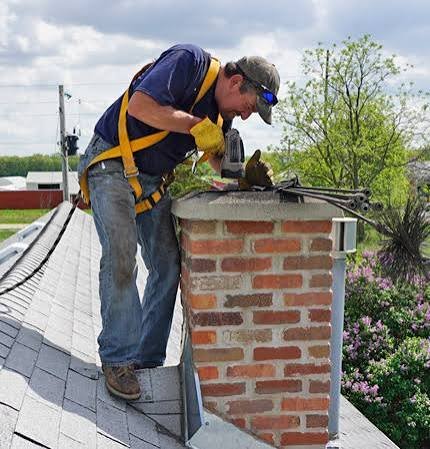
This is one area where DIY has real limits. Climbing onto a roof to inspect masonry isn’t something I’d recommend without proper safety gear, so this is a good spot to bring in a professional even if you’re handling everything else yourself. [link to related guide on roof safety and seasonal home checks here]
Clear Away Flammable Debris and Check for Blockages
Leaves, twigs, and even bird nests find their way into open flues more often than you’d expect. A blocked chimney forces smoke and carbon monoxide back into the living space, which is genuinely dangerous.
Before the first fire each season:
- Shine a flashlight up the flue if you can safely access it
- Listen for scratching sounds (a sign of nesting animals)
- Keep at least a 3-foot clearance from furniture, curtains, and rugs around the hearth
Install and Test Carbon Monoxide Detectors
This one’s non-negotiable, and it’s not really about the chimney itself — it’s about what happens when maintenance gets skipped. A blocked or cracked flue can send carbon monoxide into your home silently. No smell, no color, no warning without a detector.
Place one near the fireplace and near sleeping areas. Test the battery monthly. It takes thirty seconds and it’s the cheapest insurance you’ll ever buy for your family. [link to related guide on home fire safety essentials here]
Maintain the Firebox and Hearth
The firebox — the actual chamber where the fire burns — takes direct heat damage over time. Check the firebricks for cracking, and make sure the hearth extension (the fireproof area in front of the fireplace) hasn’t shifted or cracked either.
Suggested image: A close-up photo of a firebox showing intact firebrick lining — alt text: “chimney maintenance checklist firebox inspection for cracked firebrick”
Suggested image: A homeowner using a flashlight to inspect a chimney flue from inside — alt text: “chimney maintenance checklist flue inspection with flashlight”
Suggested image: A metal chimney cap installed on a rooftop chimney — alt text: “chimney maintenance checklist chimney cap installation”
Frequently Asked Questions
How often should I follow a chimney maintenance checklist? At minimum, once a year — ideally right before the cold season starts. If you use your fireplace heavily, a mid-season check isn’t a bad idea either, just to eyeball the creosote buildup.
Can I clean my chimney myself? Basic tasks like clearing debris near the hearth or testing the damper, sure. But actual creosote removal and structural inspection really should go to a professional — the tools and safety gear matter more than people assume.
What’s the biggest sign my chimney needs attention? Smoke backing up into the room, a persistent smoky smell even when there’s no fire burning, or visible cracks in the exterior masonry. Any of these mean it’s time to call someone.
Does gas fireplace maintenance follow the same checklist? Not exactly. Gas fireplaces don’t produce creosote, but they still need annual inspection for gas line leaks, pilot light issues, and venting blockages. Different risks, same principle — don’t skip the yearly check.
How much does professional chimney cleaning typically cost? It varies a lot by region and chimney condition, but budget for a proper inspection and clean rather than picking whoever quotes the lowest. A rushed job on a Level 3 creosote buildup isn’t worth the savings.
Is it safe to use a fireplace that hasn’t been inspected in years? Honestly, no — not without checking it first. Even if it’s worked fine so far, that’s not the same as it being safe. Get it looked at before the next fire.
Final Thoughts
A chimney maintenance checklist doesn’t need to be complicated. Annual inspections, creosote awareness, a working damper, a solid cap, and functioning carbon monoxide detectors cover most of what actually goes wrong. The homeowners who skip this stuff aren’t lazy — they just don’t realize how quietly these problems build up.
Don’t wait for smoke in the living room to remind you. Pull out this checklist before your next fire season starts, walk through it room by room and cap to firebox, and book that inspection now while chimney sweeps still have open slots on their calendar.