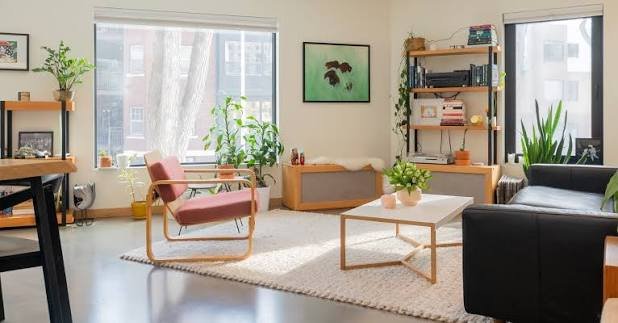
Ever walked into a house and just felt… better? Not because it was fancy, but because it had plants everywhere, sunlight pouring in, and wood that actually looked like wood. That’s biophilic design doing its quiet work. In 2026, more homeowners across India are moving away from cold, all-marble interiors and asking for spaces that breathe. This isn’t a trend that’s going away — it’s how our brains are wired. We’re drawn to nature, even indoors, and biophilic design ideas are simply about honoring that.
What Is Biophilic Design, Really?
Biophilic design means shaping your home around natural elements — light, air, plants, water, natural materials — rather than fighting against them.
Here’s the quick version: it’s the practice of connecting people to nature through the built environment, using elements like sunlight, greenery, natural textures, and airflow so a space feels alive instead of sterile.
I’ll be honest, when I first heard the term I thought it was just “add a few plants and call it a day.” It’s a bit deeper than that. It’s about how a room makes you feel when you walk in tired after work.
Start With Natural Light, Not Plants
Most people jump straight to buying a fiddle leaf fig. Wrong starting point.
Light comes first. A dim room with ten plants still feels heavy. Before you buy anything, look at where the sun actually hits your home during the day.
- Pull back heavy curtains and swap them for sheer linen ones
- Use mirrors opposite windows to bounce light deeper into the room
- If you’re renovating, consider larger windows or a skylight in the kitchen
A friend of mine in Jaipur redid her living room last year — she didn’t touch the furniture, just replaced thick maroon drapes with white cotton ones. The room looked twice as big. Sometimes the fix really is that simple.
Bring In Real Wood and Stone
Laminate can only fake wood grain so well. There’s a warmth to real timber that plastic just doesn’t have, and you can feel the difference even if you can’t explain why.
Try mixing in:
- A reclaimed wood console table or coffee table
- Stone or terracotta planters instead of plastic ones
- Cane or rattan furniture, which is having a real moment right now
- Exposed brick or a lime-plaster wall finish, popular in a lot of Jaipur havelis
You don’t need to gut your home to do this. Even one accent wall in exposed brick changes the whole mood of a room.
Choose Plants That Actually Survive Indoors
This is where most people give up on biophilic design — they buy plants that die within a month, get discouraged, and stop trying.
Pick plants suited to your actual light conditions, not what looked nice on Instagram. Snake plants, money plants, and ZZ plants tolerate low light and irregular watering, making them ideal for Indian apartments with limited direct sun.
Some low-maintenance options worth trying:
- Money plant (Pothos) — near indestructible, grows in water too
- Snake plant — survives weeks of neglect
- Areca palm — great for slightly brighter corners
- Peace lily — flowers indoors and tells you when it’s thirsty by drooping
I’ve killed more basil plants than I’d like to admit, but the snake plant on my windowsill has outlived three phones.
Style Bookshelves and Open Shelving the Biophilic Way
Your bookshelf doesn’t have to be a wall of spines and clutter. Treat it as a small landscape.
Group items in threes, mix heights, and leave breathing room — this alone makes shelves feel curated rather than crammed. Layer in a trailing plant, a woven basket, and a stack of books lying flat under one standing upright.
A few things that work well:
- Trailing pothos on the top shelf, letting vines hang down naturally
- A ceramic bowl with dried eucalyptus or pampas grass
- Natural-fibre baskets for hiding remote controls and cables
- One or two framed prints of landscapes, not abstract art, if you want the nature theme consistent
Don’t overthink symmetry here. Real shelves look a little lived-in, not staged for a magazine.
Add the Sound and Smell of Nature
We forget that biophilic design isn’t only visual. A small tabletop fountain, wind chimes near a balcony, or simply keeping a window cracked open changes how a room feels within minutes.
Scent matters too — citrus, sandalwood, or fresh cut flowers do more for “natural ambience” than any diffuser with a synthetic fragrance name.
Use Natural, Earthy Colour Palettes
Skip the stark white-and-grey combo everyone’s tired of. Warm terracotta, sage green, sandy beige, and clay tones mimic the outdoors and pair beautifully with wood and greenery.
Don’t Forget Airflow and Ventilation
A room can look perfectly styled and still feel stuffy. Cross-ventilation, ceiling fans over air conditioning where possible, and cracking a window each morning does more for wellbeing than another decorative object ever will.
[link to related guide about choosing indoor plants for low-light homes here]
[link to related guide about small apartment renovation ideas here]
FAQs on Biophilic Design
Is biophilic design expensive to do in an Indian home? Not really. You can start with curtains, a couple of plants, and rearranging what you already own. The costly version involves structural changes like skylights, but that’s optional, not required.
What’s the easiest biophilic design idea to try this weekend? Swap heavy curtains for lighter ones and add one plant near your main window. Small change, noticeable difference.
Can biophilic design work in a rented flat? Yes. Plants, shelving, rugs, and lighting are all reversible changes that don’t need landlord approval in most cases.
Do I need a green thumb for this to work? No. Snake plants and pothos are nearly impossible to kill and still give you that natural, living feel.
How is biophilic design different from just “adding plants”? Plants are one piece. Light, natural materials, airflow, and even sound all play a part — it’s a whole-home approach, not a single decoration trick.
[link to related guide about styling small living rooms here]
Final Thoughts
Biophilic design ideas don’t need a big budget or a full renovation. Start small — better light, one real-wood piece, a plant that won’t die on you — and build from there. Your home should feel like somewhere you actually want to sit down and breathe, not a showroom. Pick one idea from this list and try it this weekend. See how the room feels afterward. Chances are, you won’t want to stop there.