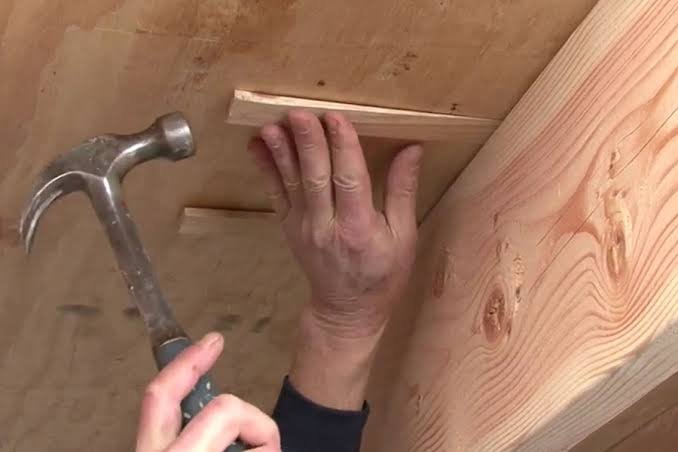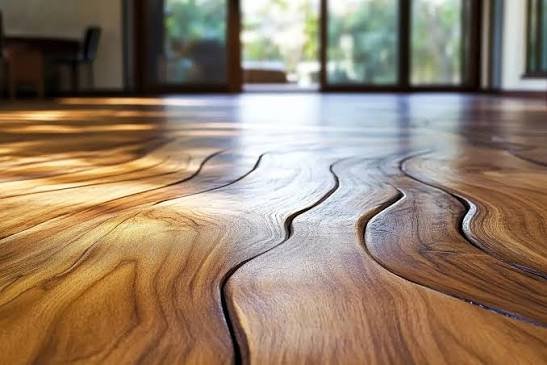
So you’re redoing your floors and someone just mentioned “off-gassing” and now you can’t stop thinking about it. Fair enough. Most vinyl and laminate flooring is made from petroleum-based materials that release VOCs into your home for months, sometimes years, after installation. If you’re looking for eco friendly flooring options that don’t smell like a chemistry lab and don’t wreck a forest somewhere, you’re in the right place.
I’ve spent a fair bit of time researching (and arguing with contractors about) sustainable materials, and I’ll be honest — not every “green” option lives up to the label. This guide cuts through the marketing fluff.
What Makes Flooring Actually Eco-Friendly?
Eco friendly flooring generally means one of three things: the material is rapidly renewable, it’s reclaimed or recycled, or it’s produced with minimal chemical processing and low emissions. A floor that lasts 40 years also counts as sustainable, even if the raw material isn’t exotic — durability matters more than people give it credit for.
Bamboo Flooring: Fast-Growing, Surprisingly Tough
Bamboo isn’t actually wood — it’s a grass, which is why it regrows so quickly. Some species are ready for harvest in just 3-5 years, compared to 20-60 years for hardwood trees.
I’ll admit I was skeptical the first time I saw bamboo flooring installed in a friend’s apartment in Pune. It looked almost too smooth, too uniform. But three years on, it’s held up fine — no warping, no scratches from the dog. Strand-woven bamboo, in particular, is harder than oak on the Janka hardness scale, which matters if you’ve got kids or pets running around.
A few things to watch for:
- Cheap bamboo flooring sometimes uses formaldehyde-based adhesives — always check for a low-VOC or E0 certification
- Not great in very humid coastal areas without proper sealing
- Costs roughly ₹150-400 per sq ft in India depending on finish and quality
Cork Flooring: Soft Underfoot, Naturally Insulating
Direct answer: Cork flooring is harvested from the bark of cork oak trees without cutting them down, making it one of the few truly renewable flooring materials available. It’s naturally antimicrobial, sound-absorbing, and comfortable to stand on for long periods.
Picture a small business owner in Jaipur running a home bakery from her kitchen — she’s on her feet eight hours a day. Cork would genuinely help her knees more than tile ever could. That’s not a hypothetical benefit, it’s a physical one; cork compresses slightly under pressure and bounces back.
The downside? It’s not great with heavy furniture that stays in one spot for years — you’ll get permanent dents. And direct sunlight fades it over time, so pair it with UV-filtering curtains if your room gets a lot of afternoon light.
Reclaimed and Salvaged Wood
There’s something about reclaimed wood that new lumber just can’t fake — the character, the slight imperfections, the fact that it’s already survived a century in some old warehouse or railway sleeper. Using it means zero new trees cut, and honestly, the aesthetic is having a real moment right now.
A few sourcing tips:
- Ask for the wood’s origin history — genuine reclaimed wood usually comes with paperwork
- Budget extra for cleaning, de-nailing, and re-milling — this isn’t a plug-and-play material
- Expect price variation of ₹200-600 per sq ft depending on the wood species and condition
Is it more work than buying new flooring? Yes. Is it worth it for the look and the story behind every plank? For a lot of homeowners, absolutely.
Linoleum (Not Vinyl — There’s a Big Difference)
People confuse linoleum and vinyl constantly, and it drives me a little crazy. Vinyl is plastic. Linoleum is made from linseed oil, cork dust, wood flour, and jute backing — genuinely biodegradable stuff that’s been around since the 1860s.
Modern linoleum comes in far more colors and patterns than the beige stuff your grandmother might have had. It’s also naturally antibacterial, which is a nice bonus in kitchens.
Concrete Flooring: Polished, Durable, Underrated
Direct answer: Polished concrete uses the home’s existing sub-floor, eliminating the need for additional raw materials entirely. It’s extremely durable — often lasting the lifetime of the building — and pairs well with radiant heating systems for energy efficiency.
I know concrete doesn’t sound glamorous. But polished correctly, with a bit of pigment or aggregate mixed in, it can look genuinely striking. And since you’re not adding a new material layer, it’s about as low-impact as flooring gets.
Recycled Tile and Glass Composite
Some manufacturers now make tiles from recycled glass bottles and porcelain waste — waste that would’ve gone straight to a landfill. Performance-wise, these tiles hold up just as well as standard ceramic, sometimes better because of the added silica strength.
Natural Wool Carpets and Jute Rugs
If you want warmth without synthetic fibers, wool and jute are biodegradable, renewable, and don’t off-gas like nylon carpets do. Jute in particular is grown widely across West Bengal and Bangladesh, so sourcing locally in South Asia is genuinely easy.
[link to related guide on choosing sustainable rugs for Indian homes here]
Cost Comparison: What Actually Fits Your Budget?
| Material | Approx. Cost (₹/sq ft) | Lifespan |
| Bamboo | 150-400 | 25-50 years |
| Cork | 250-500 | 25-40 years |
| Linoleum | 150-350 | 25-40 years |
| Reclaimed wood | 200-600 | 50-100 years |
| Polished concrete | 100-300 | 50+ years |
[link to full home renovation budget guide here]
Maintenance Tips for Sustainable Floors
Most eco flooring needs less maintenance than people assume, not more. A weekly sweep and an occasional damp mop cover it for cork, bamboo, and linoleum. Avoid harsh ammonia-based cleaners — they strip natural finishes faster than you’d think.
[link to eco-friendly home cleaning products guide here]
FAQ: Eco Friendly Flooring Options
Is bamboo flooring actually more sustainable than hardwood? Generally yes, mainly because of how fast it regrows. Just make sure the adhesive and finish are low-VOC, since that’s where a lot of “green” bamboo products quietly cut corners.
Which eco friendly flooring option is cheapest in India? Polished concrete and linoleum tend to come in on the lower end, often under ₹300 per sq ft installed, depending on your city and contractor.
Does eco-friendly flooring last as long as regular flooring? Often longer, actually. Reclaimed wood and polished concrete can outlast standard laminate by decades if maintained properly.
Can I install eco-friendly flooring over existing tiles? Cork and some engineered bamboo products can go over existing subfloors if they’re level. Concrete obviously can’t — that requires exposing the base layer.
Is cork flooring waterproof? Not fully waterproof, but with a proper sealant it handles moisture reasonably well. I wouldn’t put it in a bathroom with poor ventilation, though.
Do eco-friendly floors need special cleaning products? Not really — mild, pH-neutral cleaners work fine. Skip anything with ammonia or bleach, since those break down natural finishes over time.
Final Thoughts
Choosing among eco friendly flooring options isn’t really about picking the “greenest” label on a box — it’s about matching the material to how you actually live. A busy kitchen probably wants cork or linoleum; a statement living room might call for reclaimed wood. Either way, you’re cutting down on chemical exposure and landfill waste, which is a win regardless of the room.
If you’re planning a renovation this year, get samples of two or three materials before committing — most suppliers will send small swatches for free. Walk on them, see how they feel, and decide from there.